Your attic ventilation is probably wrong — and it’s costing you every month
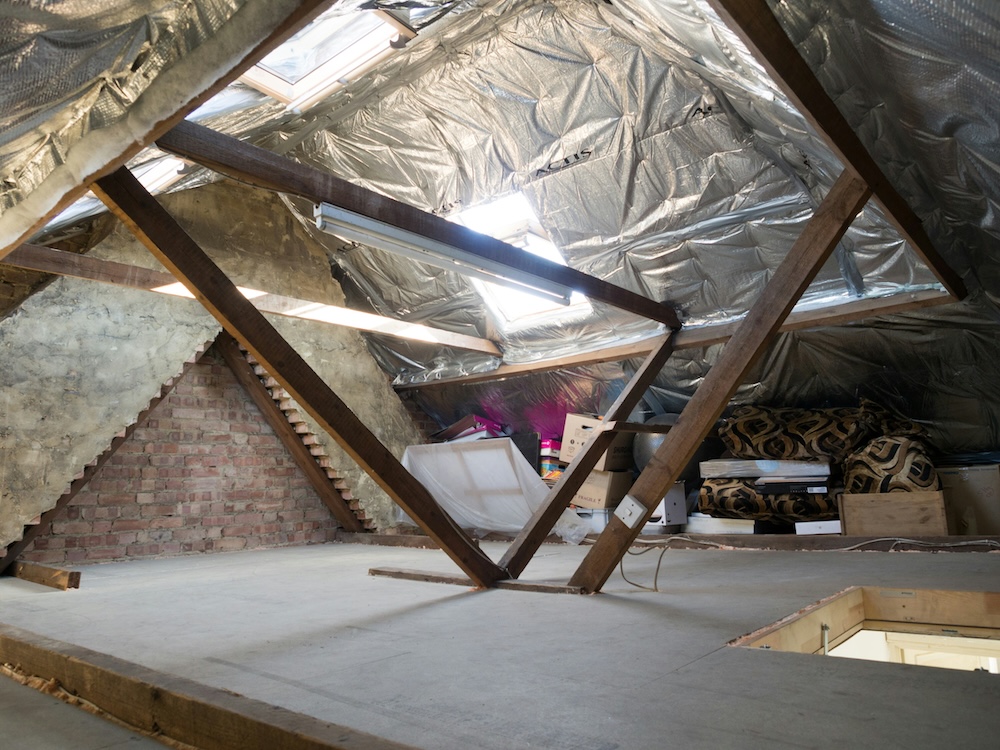
Most South Jersey homeowners think about their roof and their HVAC system as completely separate things. They’re not. The single biggest factor influencing both your roof’s lifespan and your home’s energy efficiency isn’t the brand of shingle or the size of your air conditioner — it’s what’s happening in the space between them: your attic.
Poor attic ventilation is one of the most common and most overlooked problems we find on roof inspections. And the consequences reach well beyond the attic itself.
What attic ventilation actually does
A properly ventilated attic maintains a steady exchange of air — drawing cool outside air in through intake vents at the soffits, and exhausting warm, moist air out through ridge vents or exhaust vents near the peak. When this system works correctly, the attic stays close to outdoor temperature in winter and doesn’t trap superheated air in summer.
When it fails, two problems emerge depending on the season — and both are destructive.
The summer problem: heat buildup
On a hot South Jersey summer day, an unventilated attic can reach temperatures of 150°F or higher. That heat radiates into your living space, forcing your air conditioning to work significantly harder and driving up your energy bills. More critically, that sustained heat cooks your shingles from below — accelerating the breakdown of the asphalt binders and granules that protect them. Roofs on homes with poor attic ventilation routinely fail years before their rated lifespan.
The winter problem: moisture and ice dams
In winter, the problem reverses. Heated air from your living space rises into the attic, carrying moisture with it. In a poorly ventilated attic, that moisture condenses on cold roof decking and rafters — the start of wood rot, mold, and structural damage. It also creates the conditions for ice dams: the attic warms the roof deck unevenly, melting snow on the upper sections while the eaves remain frozen. That meltwater pools, refreezes, and backs up under shingles — one of the leading causes of interior leak damage in this region.
Signs your attic ventilation needs attention
- Ice dams or heavy icicle formation along the eaves in winter
- Attic feels extremely hot in summer, even with AC running
- Moisture staining or visible mold on attic rafters or sheathing
- Shingles curling or blistering, especially on south-facing slopes
- Soffit vents that are blocked, painted over, or missing entirely
- Energy bills that seem high relative to similar homes in your neighborhood
The fix: balanced intake and exhaust
The most effective attic ventilation system is a balanced one — sufficient continuous soffit intake combined with ridge ventilation along the peak. When airflow is balanced, the attic breathes consistently without hot or cold spots. Diamond Roofing installs ridge vent systems and attic exhaust fans as part of every roof replacement, and can assess and upgrade ventilation as a standalone service on existing roofs.
Continuous ridge vents, soffit intake systems, and powered attic fans — sized and balanced specifically for your home’s attic space.
Your shingles, your roof deck, your insulation, and your monthly energy bills — all improved by a properly ventilated attic.
When we replace a roof, ventilation assessment is a standard part of our process — not an upsell. Getting it right from the start is how a 30-year shingle actually lasts 30 years.
Concerned about your attic ventilation? We assess ventilation as part of every free roof inspection.