
Mid-August in South Jersey — Is Your Roof Ready for What Comes Next?
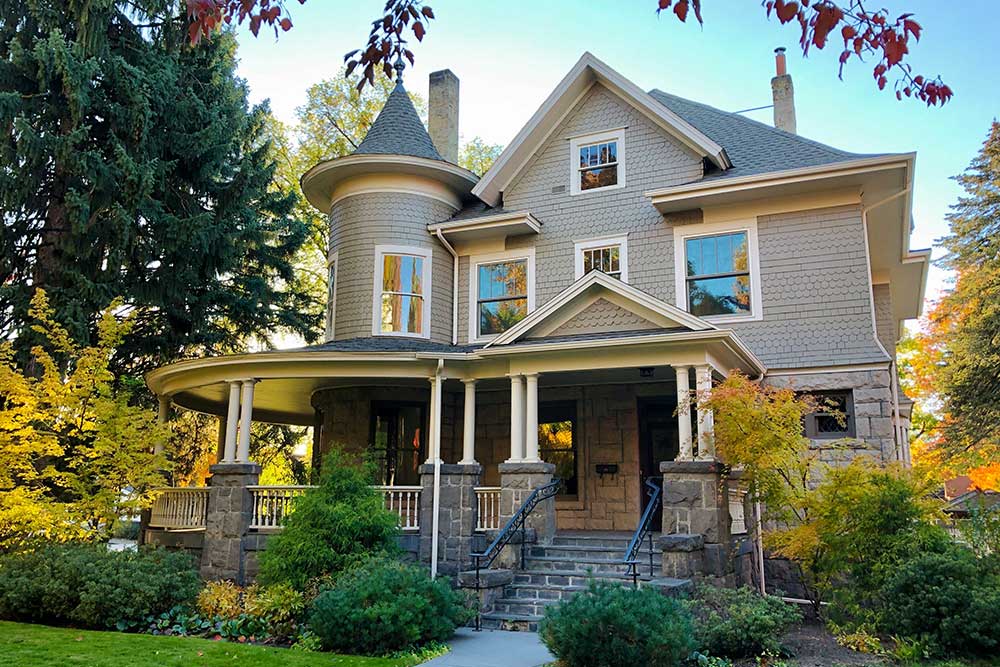
Photo by Brett Wharton on Unsplash
Mid-August in South Jersey sits at a hinge point in the year. The calendar still reads summer, but the quality of the light has shifted — mornings arrive a little later, evenings come a little sooner, and there’s a note in the air on cooler afternoons that reminds you fall is forming somewhere on the horizon. The Shore is still packed. School starts in two weeks. And somewhere between the last week of beach trips and the first week of homework, a decision that’s been deferred all summer tends to surface again.
If your roof has been on that list, mid-August is the moment that list becomes an action item — or becomes a decision you carry into a much harder season to deal with it. Here’s how to think through where you stand right now.
What your roof has been through since Memorial Day
A South Jersey roof that made it from late May to mid-August has survived one of the most demanding stretches of the year. Multiple heat waves pushing shingle surface temperatures to 160°F and above. Repeated thermal cycling — superheated days followed by overnight cooling — stressing shingle adhesive and the asphalt matrix. July and early August thunderstorms with damaging wind, hail, and sustained rain. UV radiation at its seasonal peak degrading granule adhesion across the entire shingle field.
That’s not a complaint — it’s what South Jersey summers do, and a healthy roof handles all of it. But a roof that was already showing its age in May has now accumulated another full summer of that stress. Mid-August is the moment to honestly assess what three months of summer have done and what the next eight months are going to ask of it.
What falls asks of a roof that summer didn’t
Homeowners often think of fall as a more moderate season for their roof — no extreme heat, no summer storms. In some respects that’s true. But fall brings its own demands that an aging or compromised roof handles poorly.
Nor’easters. South Jersey’s fall nor’easter season typically begins in September and runs through November. These storms deliver sustained wind, heavy rain, and occasionally early-season snow at angles and intensities that differ fundamentally from summer convective storms. A flashing gap that managed summer’s vertical rainfall may fail completely under a nor’easter driving rain horizontally against the roof for twelve hours.
Falling debris. September and October bring the first heavy leaf and branch drops. Gutters that were clear in August fill quickly in October, and a single overnight windstorm can put significant organic material on a roof surface that hasn’t been cleared since spring.
Temperature transitions. The rapid temperature swings of South Jersey’s fall — a 75-degree week followed by a 45-degree week — create thermal cycling that’s harder on aged shingles than summer’s consistent heat. Shingles that have already lost flexibility from years of UV exposure crack more readily under sudden cold than under sustained heat.
Shortened working days. If a fall inspection reveals a problem that needs replacement, the working window compresses. By October, shorter days make one-day completions harder to guarantee on larger roofs, and November installations require cold-weather installation techniques that summer jobs simply don’t need.
The mid-August assessment: what to look for
- Any summer storm damage not yet assessed — if a significant hail event or wind storm hit your neighborhood in July or August and you haven’t had a professional look, do it now while the insurance claim window is fully open
- Shingles that look different than they did in spring — blistering, additional granule loss, or new sections that appear darker or more worn signal summer damage accumulation
- Any ceiling stains or attic moisture noticed since May — if water got in during a summer storm event and you haven’t addressed it, it’s been sitting in your structure through weeks of summer heat and humidity
- Gutters pulling away or sagging — the thermal expansion of summer can worsen gutter attachment points. Address before fall leaf drop adds load to already compromised sections
- Your roof’s age relative to its last professional assessment — if it’s been more than two years since a professional inspection and your roof is 12 years or older, mid-August is the right time to close that gap
What acting in mid-August still gives you
Mid-August is past the peak summer installation window but ahead of the fall scheduling crunch. Diamond Roofing still has availability, still has summer installation conditions, and can still complete most South Jersey residential roofs in a single day with the long daylight hours that end in September. A replacement scheduled and completed in mid-August goes into fall and winter fully warrantied, professionally inspected, and prepared for everything the next eight months will bring.
Call this week. We’ll return your message within 24 hours, get an estimate on the calendar within a few days, and give you a straight answer about what your roof needs and when — before the season makes that answer harder to act on.
Guaranteed response time — call today, hear back tomorrow
Most South Jersey residential replacements completed start-to-finish in one day
Workmanship warranty included on every Diamond Roofing installation
The hinge point of mid-August swings one of two ways. Homeowners who make the call this week get their roofs handled on their terms, on a summer schedule, with summer conditions. Homeowners who wait find themselves on the other side of that hinge — in fall, in the rush, with fewer options and less time. The call takes two minutes. We’ll take it from there.
Free inspection · Summer slots still available · (609) 268-9200