
What Freeze-Thaw Cycles Do to a South Jersey Roof
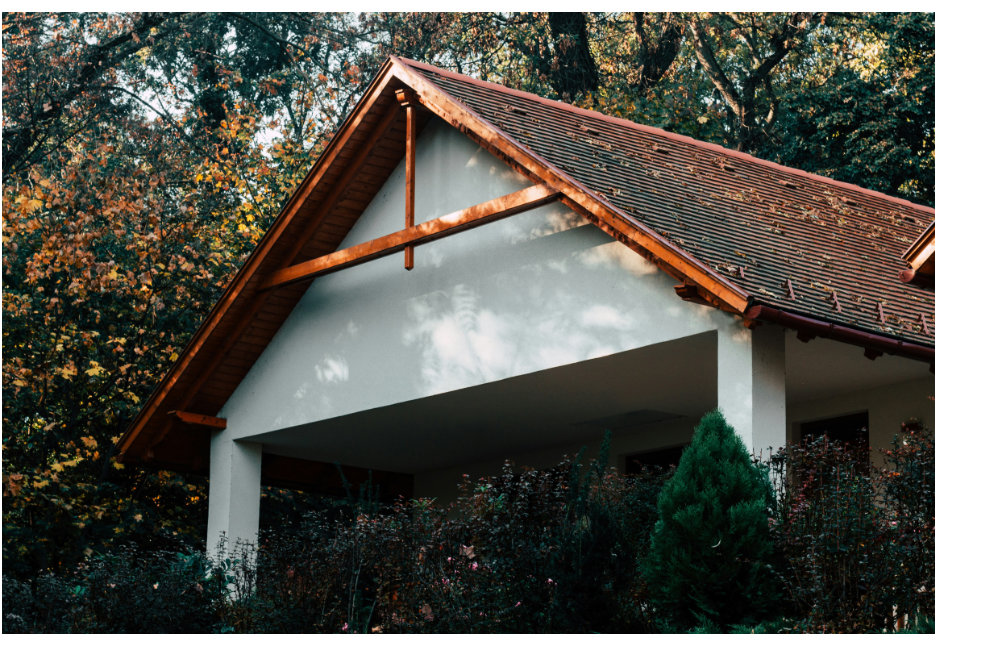
Photo by Norbert Buduczki on Unsplash
By mid-October in South Jersey, the first cold nights have arrived. The morning you wake up and see 38°F on the thermometer — and then watch it climb back to 58°F by afternoon — is the moment a specific and well-understood damage mechanism begins working on your roof. It will continue working on it, quietly and incrementally, for the next four months.
Freeze-thaw cycling is one of the most consequential forces acting on a residential roofing system in this region — and one of the least visible. Understanding what it does, where it does the most damage, and what can be done about it right now is some of the most practical roofing knowledge a South Jersey homeowner can have heading into fall.
The mechanics of freeze-thaw damage
Water expands by approximately 9% when it freezes. This is the physical fact at the center of freeze-thaw damage — and it applies to every place on your roof where water has found entry and is sitting when temperatures drop below 32°F.
Consider what happens at a compromised flashing joint. Summer’s thermal cycling has worked the sealant loose, creating a gap that allows water to wick behind the flashing during October’s nor’easters. That water sits in the cavity behind the metal, in contact with the roof deck and framing below. On a mid-October night when temperatures drop to 30°F, that water freezes and expands — physically pushing the flashing further from the structure, opening the gap wider, and stressing the adjacent shingle edges. When the afternoon sun warms the surface back above freezing, meltwater flows in again. The next cold night repeats the process. By the end of a South Jersey winter, a gap that admitted a trickle in October can be admitting a stream in March — and the deck damage beneath it has been accumulating the whole time.
The same mechanism operates at every vulnerability in the roof system: lifted shingle tabs, cracked pipe boot collars, compromised valley flashing, and any location where water can work its way into the system and sit between freeze-thaw events.
Where freeze-thaw damage concentrates
Not every part of a roof is equally vulnerable to freeze-thaw cycling. The mechanism concentrates its damage in specific locations — and knowing where those are allows mid-October attention to be focused where it matters most.
-
Flashing transitions — every joint between the roof surface and a vertical element (chimney, skylight, dormer, plumbing vent) is a potential freeze-thaw entry point. Sealant that separated in the summer becomes a freeze-thaw expansion site the first time October temperatures drop below freezing overnight. -
Shingle adhesive strips — tabs that lost adhesive contact during summer’s heat are now subject to wind lifting and water infiltration that freezes beneath the shingle. Each freeze cycle pushes the tab further from the course below. -
Valleys — debris-filled valleys hold standing water during rain events. That standing water freezes in place during cold nights, expanding against the valley flashing and the shingle edges on either side, progressively working both away from the deck. -
Pipe boot collars — rubber boot collars that cracked under summer’s UV exposure allow water to enter around the plumbing vent penetration. In freeze-thaw conditions, that water works the crack wider with every cycle. -
The eave zone — where ice dams form, and where blocked gutters deposit water that then freezes against the drip edge and works up under the first shingle courses. This is where freeze-thaw damage most often becomes visible interior damage.
What mid-October allows you to do about it
Every vulnerability on the list above is addressable in mid-October — and most of them are relatively inexpensive to address when caught before winter begins working on them. A flashing reseal that takes Diamond Roofing a few hours in mid-October prevents the progressive damage that same separation accumulates over five months of freeze-thaw cycling. A pipe boot collar replacement costs a fraction of what water infiltration through that collar produces in ceiling and attic remediation.
The professional inspection is the essential first step — it identifies the specific locations where your roof is vulnerable to freeze-thaw damage before winter reveals them through consequences rather than observation. Diamond Roofing includes freeze-thaw vulnerability assessment as a standard part of our fall inspections, looking at exactly the locations where this season’s cycling does its most significant damage.
If the inspection reveals replacement is warranted, mid-October installations are still available and still recommended over carrying a compromised roof through five months of freeze-thaw cycling. If it reveals specific repairs, we complete them promptly — before the November freeze events that will exploit them if they’re left unaddressed.
Diamond Roofing’s free fall inspection specifically evaluates the locations where freeze-thaw cycling causes the most damage — flashing, tabs, valleys, pipe boots, and the eave zone. Written report included.
Flashing reseals, pipe boot replacements, and lifted-tab repairs completed in mid-October prevent the freeze-thaw progression that makes those same issues significantly more expensive to address in spring.
Mid-October is when freeze-thaw cycling begins in South Jersey. It is also the last practical window to address the vulnerabilities that cycling will find and work on for the next five months. A free inspection this week costs nothing. The damage that a compromised roof accumulates through a South Jersey winter costs considerably more.
Preventative repairs · Free assessment · 24-hour response · (609) 268-9200