Solar Panels and Your Roof
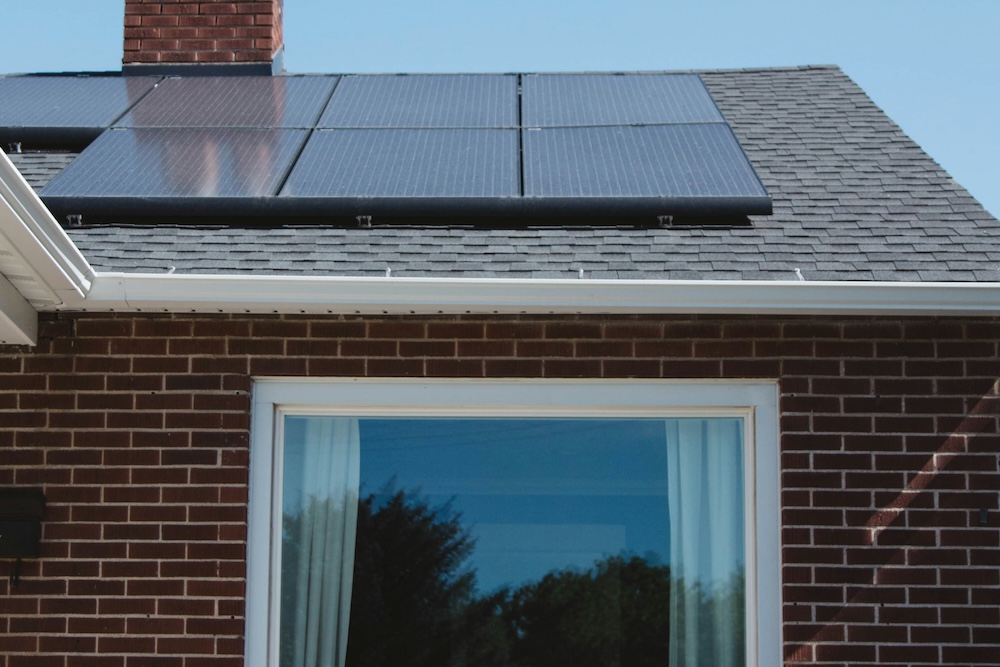
Photo by Vivint Solar on Unsplash
Solar installations in South Jersey are accelerating. Between generous state incentives, rising utility costs, and long summer sun exposure, more homeowners than ever are seriously evaluating rooftop solar. But if you’re in that conversation, there’s a question that doesn’t get asked nearly enough before the solar company shows up: what condition is my roof actually in — and will it survive a 25-year solar installation?
The answer matters more than most homeowners realize, and getting it wrong is an expensive mistake. Here’s what you need to know about the relationship between your roof and your solar decision before June’s peak solar sales season gets into full swing.
Your roof has to outlast your solar panels
A standard residential solar installation comes with a 25-year panel warranty and is expected to produce energy for 30 years or more. If your roof is 12 years old when the panels go on, it will need to be replaced somewhere around year 13 or 14 of the installation — well before the panels are anywhere close to end of life.
Removing and reinstalling solar panels to replace a roof underneath them is a significant expense — typically $3,000 to $6,000 or more depending on system size — that gets added to an already-major roofing project. Solar companies don’t always volunteer this information during the sales process. Your roofer should be your first call, not your second.
What to ask your roofer before going solar
Before signing a solar contract, have a qualified roofing contractor inspect your roof with the solar installation in mind. You’re looking for honest answers to three questions: How many useful years does this roof have left? Is the roof deck sound enough to support panel racking hardware? And are there any existing vulnerabilities — flashing issues, soft spots, early granule loss — that should be addressed before anything is attached to the surface?
Diamond Roofing performs pre-solar roof assessments as part of our standard free inspection service. We give you a written assessment of remaining lifespan and a clear recommendation on whether to proceed, replace first, or address specific issues before installation. That document also serves as useful documentation for your solar installer and for your home’s records.
How solar installation affects your roof
A properly installed solar system should not damage your roof — but the word “properly” is carrying a lot of weight in that sentence. Roof penetrations for racking hardware are the main concern: each one is a potential leak point if not flashed and sealed correctly. Reputable solar installers use industry-standard mounting hardware and flashing kits designed to maintain a watertight seal, and they should provide a roof penetration warranty alongside the panel warranty.
Ask your solar installer specifically: who is responsible for leak repairs related to mounting penetrations? What flashing system do they use? Have they worked on homes with your specific shingle type? These are not aggressive questions — they are standard due diligence that any professional installer should answer without hesitation.
The sequencing question: roof first or solar first?
If your roof is 10 years old or newer and in good condition, solar first is a reasonable approach. If your roof is 15 years or older, the calculus almost always favors roof replacement first — particularly if you’re planning to stay in the home long-term and want to avoid the panel removal cost down the road.
There’s a financial case for combining the projects as well. Some homeowners choose to replace their roof and install solar simultaneously, which allows the roofer and solar installer to coordinate on penetration placement and flashing from the start — the cleanest possible installation from both a waterproofing and aesthetic standpoint. Diamond Roofing coordinates regularly with South Jersey solar installers and can help structure this kind of combined project.
Standard solar panel warranty — your roof needs to match it
Typical cost to remove and reinstall panels for a roof replacement
Remaining roof life minimum before proceeding with solar installation
What about impact on your roof warranty?
This is a legitimate concern. Solar installation involves roof penetrations, and some roofing warranties have provisions around third-party work performed on the roof surface. In most cases, a properly installed solar system by a licensed contractor does not void a manufacturer’s shingle warranty — but “most cases” is not “all cases.” If you have an active manufacturer’s warranty on your current roof, review the terms before installation, and confirm in writing with both your roofer and solar installer who is responsible for what.
Diamond Roofing provides written roof assessments specifically for homeowners evaluating solar — including estimated remaining lifespan, deck condition, and any issues to address before installation.
If you’re replacing your roof and going solar simultaneously, we coordinate directly with your installer to ensure penetrations are placed and flashed correctly from day one.
Solar is a smart investment for many South Jersey homeowners — but it’s a 25-year commitment that starts with the surface it’s mounted on. Get the roof right first, and the solar investment works exactly the way it’s supposed to.
Written lifespan report · No obligation · South Jersey’s certified roofers · (609) 268-9200