Tear-off vs. Roof-over: Why the cheaper option usually costs more in the long run
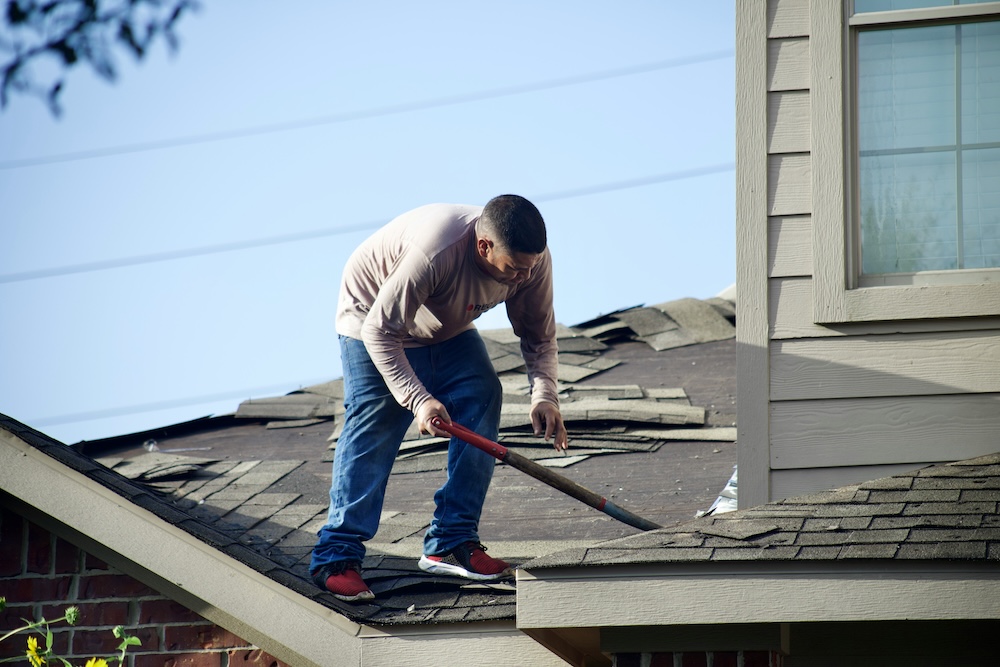
Photo by Zohair Mirza on Unsplash
When it’s time for a new roof, homeowners are often presented with two options: a full tear-off — stripping the existing shingles down to the deck before installing new ones — or a roof-over, where a new layer of shingles is installed directly on top of the old ones. The roof-over is almost always the cheaper quote. It’s also almost always the wrong choice.
Here’s what every South Jersey homeowner should understand before signing a contract.
What is a roof-over?
A roof-over (also called a “recover” or “lay-over”) installs new shingles directly on top of an existing layer without removing what’s underneath. It’s faster, requires less labor, and generates no disposal costs — which is why some contractors offer it at a significantly lower price point. New Jersey code permits a maximum of two total shingle layers on a residential roof, so it’s technically allowed in many cases — but permitted doesn’t mean advisable.
Why tear-offs produce better roofs
A full tear-off exposes the roof deck — the plywood or OSB sheathing beneath — so it can be fully inspected and repaired before the new roof goes on. This matters more than most homeowners realize. Water damage, rot, soft spots, and compromised decking are extremely common on roofs that are being replaced, and none of these can be detected or addressed without removing the existing shingles first.
The real cost comparison
| Factor | Roof-Over | Full Tear-Off |
|---|---|---|
| Upfront cost | Lower | Higher |
| Deck inspection | Impossible — hidden | Full visibility & repair |
| New roof lifespan | Reduced — heat trapped | Full rated lifespan |
| Shingle warranty | Often voided or limited | Full manufacturer coverage |
| Added roof weight | Doubles — stress on structure | Single layer — no added load |
| Future removal cost | Two layers to strip next time | Single layer — standard cost |
| Insurance & resale | Some insurers penalize | Clean record, transferable warranty |
The warranty problem
This one is critical. Most major shingle manufacturers — including GAF and Owens Corning — either void or significantly limit their warranty coverage when shingles are installed over an existing layer. That 30-year or lifetime warranty you’re paying for? It may not apply. A certified contractor installing over a proper tear-off can register a full manufacturer warranty on your behalf. A contractor installing over old shingles often cannot.
The heat problem
Installing new shingles over old ones traps heat between the layers. That added heat load accelerates the aging of your new shingles from the moment they’re installed — shortening a 25–30 year roof to 15–20 years in some cases. Combined with the inability to inspect the deck, a roof-over is essentially a short-term fix wearing the clothes of a long-term solution.
When is a roof-over ever acceptable?
In rare circumstances — where the existing single layer is in excellent condition, the deck has been recently documented as sound, and the homeowner has a specific short-term reason to minimize cost — a roof-over can be a reasonable temporary measure. But it should be the exception, presented with full transparency about its limitations, not the default offering from a contractor looking to win a bid.
We perform full tear-offs on every replacement job, inspect and document the deck, and repair any damaged sheathing before a single new shingle goes down.
If a quote doesn’t specify a full tear-off, ask directly. Any legitimate contractor should be able to explain exactly what they’re proposing — and why.
The cheapest quote isn’t always the best value. Understanding what you’re buying — and what you’re not — is the single most important thing a homeowner can do before a roof replacement.
Want to know what a proper roof replacement looks like?