Before the First Snow — What South Jersey Homeowners Should Know About Snow on the Roof
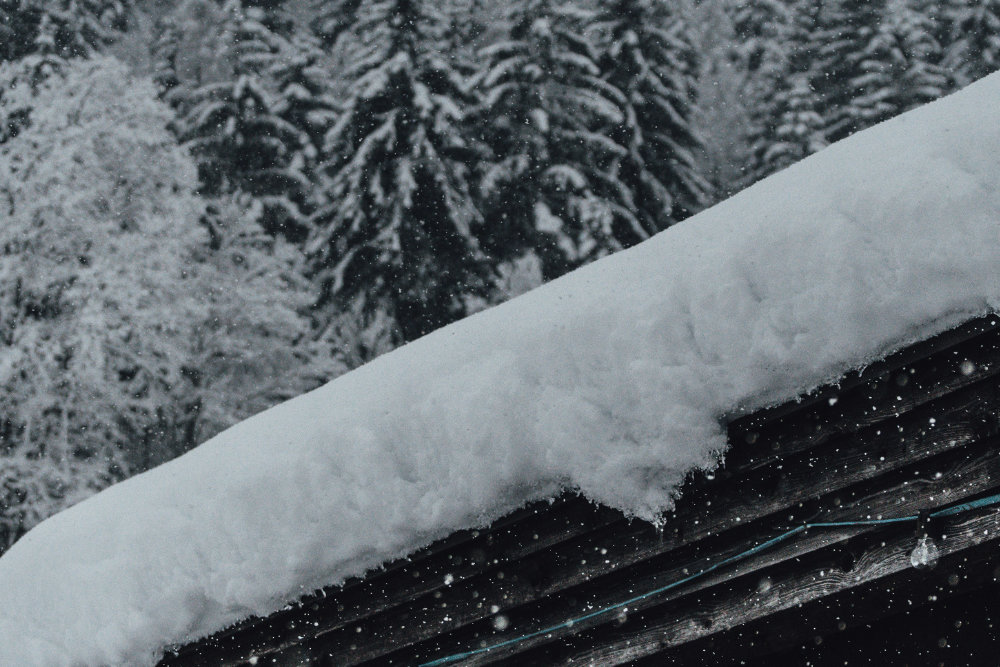
Photo by Paul Pastourmatzis on Unsplash
South Jersey doesn’t get the heavy, relentless snow of northern New England, so many homeowners never think about what snow does to a roof. But one wet, heavy storm can put real weight on a structure, and the days that follow, when the snow melts by day and refreezes at night, are when most roof problems show up.
Wet snow is heavier than it looks
Light powder weighs very little. Wet, heavy snow, the kind we often get when temperatures hover near freezing, is a different story. A foot of it can weigh around 15 to 20 pounds per square foot, several times what the same depth of powder would. Roofs are built to carry snow loads, so a healthy roof should handle an ordinary storm. A roof with damaged decking, sagging rafters, or long-standing leaks has less margin.
The melt-and-refreeze problem
The bigger risk for most South Jersey homes is the freeze-thaw cycle. Snow melts on the warmer part of the roof, runs down to the cold eaves, and refreezes as ice. That ice can build into a ridge, called an ice dam, that traps meltwater behind it and pushes it under the shingles. Poor attic ventilation and insulation are common causes, because they let heat escape up into the roof deck.
What you can safely do
-
Use a roof rake from the ground to pull snow off the lowest few feet of the roof. Stay well back from the edge and keep clear of power lines. -
Don’t chip at ice with hammers, picks, or shovels. It’s an easy way to damage shingles and gutters. -
Don’t climb onto a snowy roof. It’s slippery, and falling snow and ice can injure people below. -
Check the attic during and after a storm for dampness, frost on the underside of the deck, or daylight where it shouldn’t be. -
Look at the eaves for heavy icicles or ice building up, which can signal an ice dam in progress.
The best preparation happens before the storm
Once there’s snow on the ground, repairs get harder. This is the quiet window to have a professional check your shingles, flashing, gutters, and attic ventilation so the roof goes into winter in the best shape it can.
Our inspection includes the attic, where ice-dam problems usually begin, and we’ll explain what we see.
You get a plain-language summary and our honest recommendation, whether that’s a repair, a plan for spring, or nothing at all.
A free inspection before the first snow is a small step that can head off some of winter’s most expensive surprises.
Free inspection · Attic ventilation check · (609) 268-9200