
October Is Here — What South Jersey Homeowners Need to Know About Their Roof Right Now
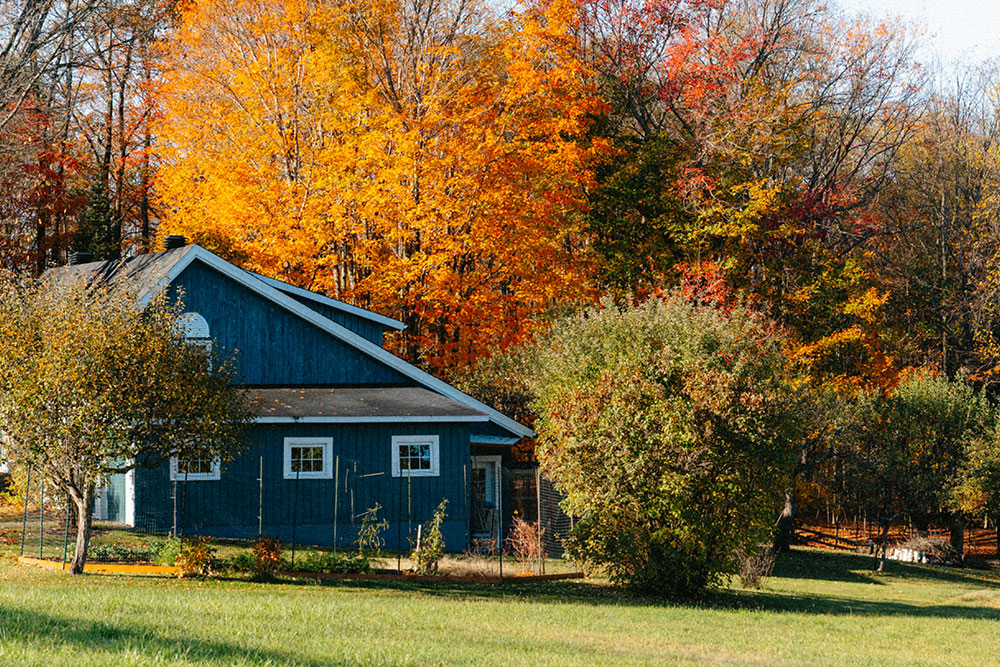
Photo by Mathias Reding on Unsplash
October arrives in South Jersey with a change that’s unmistakable: the light is different, the air carries something cooler, and the trees that spent all summer green are finally beginning to show what fall actually looks like. It’s one of the region’s most beautiful months — and for homeowners, it’s one of the most consequential for their roofs.
October is the month that concentrates everything South Jersey fall demands of a residential roofing system. Nor’easter frequency peaks. Leaf drop begins in earnest and tests every gutter system on the block. Temperature swings from comfortable 60s to near-freezing start appearing in the forecast. And homeowners who spent all summer meaning to address a roof concern find themselves in a month where the options are narrower, the schedule is tighter, and the weather is less cooperative than anything that came before.
Here is an honest accounting of what October means for your roof and what to do about it right now.
October’s weather and what it asks of your roof
October is South Jersey’s most active nor’easter month. The atmospheric conditions that bring these systems — cool continental air colliding with warm moisture from the Atlantic — are at their most favorable from early through late October, and the region typically sees two to four significant coastal storm events before the month is out. Each one delivers sustained wind, heavy rain, and the kind of horizontal moisture exposure that tests every flashing transition, every shingle adhesive strip, and every gutter connection your home has.
The first significant temperature drops of fall also arrive in October, often within days of each other rather than as a gradual seasonal slide. A roof that has been operating in 70-degree conditions enters a freeze-thaw cycle for the first time — and the first freeze finds any moisture that has worked its way into the system and expands it. Cracks that were hairline separations become visible gaps. Flashing that was marginally sealed becomes definitively not sealed. And a deck with any compromised sections begins its annual winter deterioration.
What to assess in the first week of October
The first week of October is still workable — conditions are adequate for installation, schedules have some availability, and the month’s weather events are still ahead of you. A professional inspection this week gives you actionable information before October tests your roof, rather than after.
-
Complete a fresh ground-level walk. October’s lower sun angle creates raking light that reveals lifted shingles, irregular courses, and surface damage that summer’s flat midday light obscured. Take thirty minutes and walk the full perimeter before the canopy drops and visibility changes. -
Confirm gutters are clear before leaf drop peaks. Early October is the last opportunity to flush gutters before the main canopy drop overwhelms them. A gutter that’s clear in the first week of October and then cleaned again in late October handles fall far better than one that enters the month partially blocked. -
Address any known concerns immediately. If you’ve been aware of a flashing issue, a section of questionable shingles, or a gutter pulling away from the fascia since summer, October’s first week is the last comfortable window to address those concerns before the month’s weather activates them. -
Check your attic before temperatures drop. Early October is your last opportunity to find summer moisture evidence — staining on rafters, soft spots in decking, signs of prior condensation — while temperatures are still mild enough that the evidence remains fresh and the access is comfortable. -
Confirm downspout extensions are in place. Every downspout should be directing water a minimum of four to six feet from the foundation before October’s rain totals begin. An extension kicked aside in summer and forgotten creates a foundation drainage problem the first time October delivers two inches of rain.
October replacement: what’s different, what’s still possible
October installations are absolutely achievable and Diamond Roofing completes them throughout the month. But October installations operate under constraints that September’s don’t, and homeowners making replacement decisions in October benefit from understanding them.
Daylight: October’s shorter days compress the installation window. A job that was a comfortable one-day completion in August or September may require tighter scheduling or crew adjustments in late October as available light narrows. Diamond Roofing plans around this, but it’s a real variable that September installations simply don’t have.
Adhesive sealing: Architectural shingle adhesive strips need adequate temperature to activate and create a full weathertight seal. Most manufacturers specify a minimum temperature of 40°F for proper bonding. October in South Jersey is typically well above this threshold during installation hours — but cold snaps can require extra attention to ensure complete sealing on north-facing slopes that see less direct sun.
Scheduling: October is South Jersey’s busiest roofing month. Lead times from initial contact to installation start are at their annual peak. Homeowners who call in early October get meaningfully better scheduling positions than those who call in mid-October — and the gap between calling on October 1st and calling on October 15th can be a two-to-three-week difference in start date.
The winter timeline that October sets in motion
Decisions made in October determine the position your roof is in when November arrives — and November is when South Jersey’s roofing season begins to close. A replacement completed by mid-October goes into the freeze-thaw season fully sealed and warrantied. A replacement deferred to November requires cold-weather installation techniques and goes into winter without the settling period that a fall installation provides. And a replacement deferred to spring carries everything the winter produces through to the following April.
October is consequential not because it’s the worst time to act — it isn’t — but because it’s the month that determines whether you get ahead of winter or behind it. The difference between a roof that handles South Jersey’s winter from a position of strength and one that handles it from a position of exposure is almost entirely determined by what happens in October.
Diamond Roofing has early October inspection and installation slots available now. Calling in the first week of October gives you the best remaining scheduling position before peak-month demand peaks through mid-October.
Our free fall inspection is available throughout October — a written assessment of what October finds on your roof, with honest guidance on whether repair, replacement, or continued monitoring is the right call for your situation.
October is here. The leaves are starting to turn, the nor’easters are forming offshore, and the winter that follows is already taking shape on the calendar. What your roof looks like going into all of that is something you still have time — and options — to influence. The first week of October is when those options are widest. Make the most of it.
Free inspection · Early October slots available · Licensed & insured · (609) 268-9200