
Heat Waves, High Bills, and What Your Roof Has to Do With It
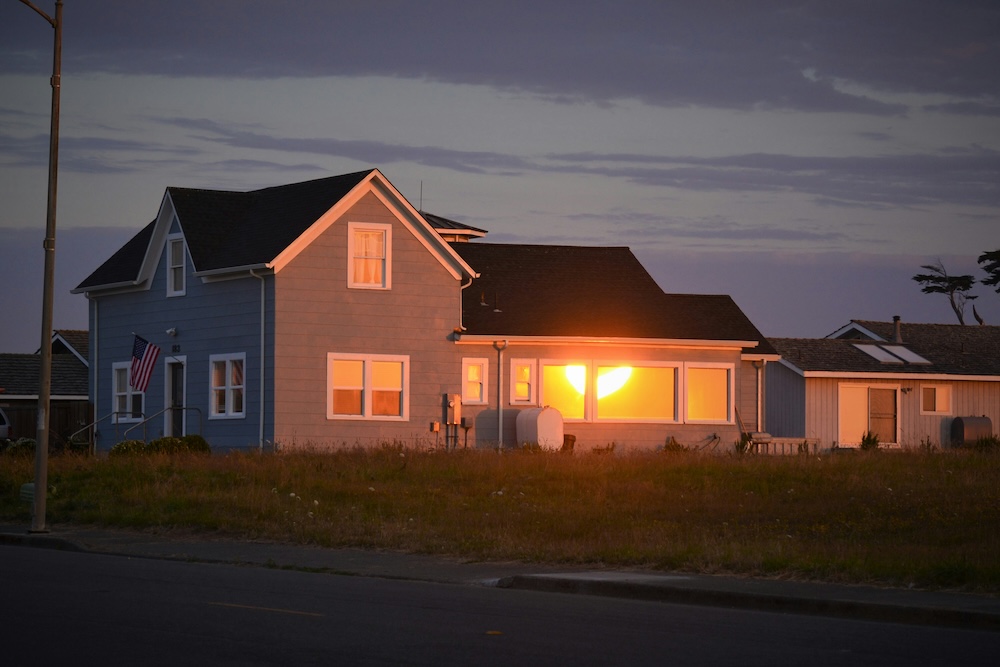
Photo by Peter Steiner on Unsplash
When a South Jersey heat wave rolls in and settles over the region for a week straight — temperatures in the mid-90s, humidity that makes it feel like 105 — most homeowners respond the same way. They turn the thermostat down, hear the AC cycling almost continuously, and brace themselves for an electric bill that arrives like bad news at the end of the month.
What very few of them consider is that their roof and attic system may be making that bill significantly worse than it has to be — and that addressing the underlying problem costs far less than most people assume.
Where heat actually enters your home in July
During a heat wave, your home is being heated from multiple directions simultaneously: solar gain through windows, warm outdoor air infiltrating through gaps, and radiant heat conducting through the building envelope. For most South Jersey homes, the single largest source of summer heat gain is the roof and attic assembly — not the windows, not the walls, not the doors. The roof surface is in direct contact with the sun for eight or more hours a day, and during peak July heat that surface can reach 160°F to 175°F.
That heat doesn’t stay on the roof. It moves. It conducts downward through the shingles and into the roof deck. It radiates into the attic space below. And from there — particularly in homes with inadequate attic ventilation or undersized insulation — it transfers through your ceilings and into your living space. Your air conditioner, which is already working at its maximum capacity in 95-degree outdoor air, is now fighting a second heat source from above. The result is exactly what your electric bill shows you every August.
The two-part solution: ventilation and reflectivity
Managing summer heat load through your roof comes down to two things working together — how much heat your shingles absorb in the first place, and how effectively your attic exhausts the heat that does get through.
Ventilation is the more impactful of the two for most existing South Jersey homes. A balanced attic ventilation system — continuous soffit intake at the eaves drawing in cooler exterior air, combined with ridge exhaust venting at the peak — creates a thermal chimney effect that continuously flushes hot attic air before it builds to dangerous levels. When this system is sized and balanced correctly, attic temperatures track much closer to outdoor ambient rather than spiking 40°F or 50°F above it.
Reflectivity matters at the shingle surface. Standard dark asphalt shingles absorb the majority of the solar radiation that hits them. GAF’s Timberline Cool Series and Owens Corning’s Duration Cool shingles use specially engineered reflective granules that redirect a meaningful portion of that radiation back into the atmosphere rather than converting it to heat. Surface temperature reductions of 20°F to 40°F are documented in real-world testing — and that cooler starting point makes the ventilation system’s job significantly easier.
Signs your attic is overheating during July heat waves
-
Upper floor rooms are noticeably harder to cool than the ground floor — a classic indicator of radiant heat load from above -
AC runs almost continuously during peak afternoon hours even though the thermostat is set to a reasonable temperature -
Opening the attic hatch in July feels like opening an oven — if the heat hits you immediately and forcefully, temperatures are well above where they should be -
Electric bills have climbed steadily over the past few summers without a clear change in usage patterns or equipment -
Soffit vents appear painted over, blocked, or missing — walk the eaves and look; clogged soffits are extremely common in older South Jersey homes and completely starve the ventilation system of intake air
What a ventilation upgrade actually involves
For many South Jersey homes, meaningful attic ventilation improvement doesn’t require a full roof replacement. Diamond Roofing installs ridge vent systems and solar-powered attic fans as standalone services on existing roofs. A solar-powered attic fan requires no wiring — it operates entirely on the solar energy it collects — and can reduce attic temperatures by 40°F or more in sustained summer conditions.
The process is typically completed in a few hours. The impact on your home’s comfort and monthly energy costs during July and August heat waves can be felt immediately. For homeowners who are a few years away from a full roof replacement but are suffering through expensive, uncomfortable summers in the meantime, a ventilation upgrade is often the best available investment per dollar spent.
Potential summer cooling cost reduction from properly balanced attic ventilation
Typical attic temperature reduction from a properly sized solar-powered attic fan
How long a ventilation upgrade or attic fan installation typically takes to complete
If you’re also due for a replacement
If your roof is in the 15–20 year range and you’re already thinking about replacement, a July heat wave is actually useful information. It tells you clearly what the current system is — and isn’t — doing for your home’s performance. A replacement with cool-roof shingles and a properly designed ridge vent system addresses the problem at the source, and the energy performance improvement becomes part of the value calculation on the new installation.
Diamond Roofing includes a ventilation assessment as a standard part of every free inspection. We’ll tell you what your current system looks like, what it should look like, and exactly what it would cost to close that gap — whether that’s a standalone fan installation or part of a full replacement scope.
No wiring required. Installed in hours. Reduces attic temperatures by up to 40°F and pays for itself in energy savings over time. Available now as a standalone service.
Available in the same color range as standard architectural shingles — you don’t give up aesthetics for performance. Ask about GAF Timberline Cool and Owens Corning Duration Cool at your free estimate.
The heat wave will break eventually. But if your attic is cooking your house from above every time July turns brutal, the problem will be back next summer — and the one after that. A free inspection this week gives you a clear picture of what’s happening up there and what it would take to change it.
Free ventilation assessment · Solar attic fans · Cool-roof shingles · (609) 268-9200