
5 things you can do this summer to add years to your roof’s life
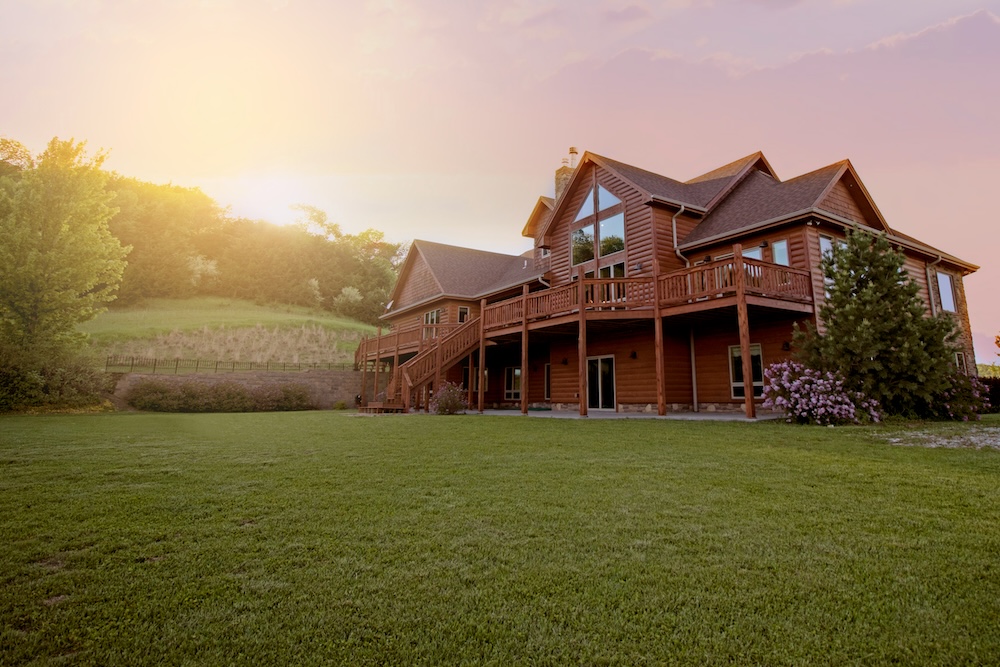
Photo by Bailey Anselme on Unsplash
A new roof is a significant investment — typically $10,000 to $20,000 for a South Jersey home, depending on size, pitch, and materials. Most homeowners want to get every year they can out of that investment. The good news is that a few simple maintenance actions, taken at the right time of year, can meaningfully extend a roof’s effective lifespan and prevent the kind of incremental damage that turns a 25-year roof into a 17-year one.
Summer is actually the ideal window for most of them. Here are five things you can do right now.
1. Clear your roof of debris before it becomes a moisture problem
South Jersey summers bring heavy pollen drops, seed pods, and early leaf fall from oak and maple trees. When organic debris sits on a roof surface, it holds moisture against the shingles — creating the warm, wet conditions that algae and moss need to take hold. Debris that collects in valleys and around pipe boots is particularly problematic, trapping water in areas where shingles overlap and where the roof is most vulnerable to intrusion.
You don’t need to get on the roof to address this. A roof rake with a soft head, used carefully from the ground or a ladder at the eaves, can clear most debris. For anything more extensive, a professional cleaning is the safer and more effective option.
2. Inspect and reseal flashing before storm season peaks
Flashing — the metal strips that seal the transitions between your roof surface and vertical elements like chimneys, skylights, dormers, and plumbing vents — is where the majority of residential roof leaks originate. Caulked flashing joints dry out and crack over time, especially after the thermal cycling of a South Jersey winter. Early summer, before the peak of storm season, is the best time to inspect these areas and reseal any joints that show cracking or separation.
From the ground with binoculars, look for flashing that appears lifted, separated, or shows visible rust staining (a sign of long-term water contact). Any doubt warrants a professional inspection — flashing repairs are relatively inexpensive when caught early and very expensive when caught after water has been getting in for a season or two.
3. Clean your gutters and check their slope
Gutters that aren’t flowing freely in summer create standing water conditions at the roof edge. In South Jersey’s humid summer heat, standing water in a gutter is a moss and algae incubator — and when that gutter is in contact with your fascia board, the moisture can begin deteriorating the wood that holds your roof edge in place.
After cleaning, check the slope by running a hose through each section and watching where the water flows. Every section should drain positively toward the downspout. Sections that hold water are either sagging or were installed without adequate pitch — both correctable, and both worth fixing before fall.
4. Trim overhanging branches
Tree branches that hang over your roof do damage in multiple ways: they drop debris, create shade that promotes algae and moss growth on shaded sections, and in a storm become projectiles that can puncture or displace shingles. The general rule is to maintain at least six feet of clearance between branch tips and the roof surface. Summer, with full leaf canopy visible, is the easiest time to identify which branches are actually in contact with or close to the roof.
This is one of the few roof-protection tasks that doesn’t require a contractor — a qualified arborist or tree service can handle branch trimming safely and correctly.
5. Schedule a professional mid-life inspection
If your roof is between 10 and 20 years old, a professional inspection this summer is one of the highest-value things you can do. This is the window when minor issues — a loose tab here, early granule loss there, a small flashing separation — are still inexpensive to address. It’s also the window when a qualified inspector can give you an honest assessment of remaining lifespan, so you can plan a replacement on your timeline rather than being forced into it by an emergency.
-
1
Clear debris from the roof surface and valleys before it traps moisture against your shingles -
2
Inspect and reseal flashing at chimneys, skylights, vents, and valleys before peak storm season -
3
Clean gutters and verify slope so water drains freely and doesn’t sit against the fascia -
4
Trim overhanging branches to at least six feet of clearance from the roof surface -
5
Book a professional inspection if your roof is between 10–20 years old — this is the window that matters
How much life can maintenance actually add?
It’s a fair question. The honest answer is that no amount of maintenance makes a 30-year-old roof good for another decade — shingles have a physical lifespan driven by UV exposure and thermal cycling that maintenance can’t reverse. But consistent maintenance throughout a roof’s life — clearing debris, keeping gutters flowing, addressing flashing early, managing tree coverage — is well-documented to reduce the risk of premature failure and to keep small issues from compounding into large ones.
The difference between a roof that reaches its rated lifespan and one that fails five to seven years early is almost always a combination of installation quality, ventilation, and whether the homeowner paid attention along the way. You can’t change the first two on an existing roof. You can absolutely influence the third.
Diamond Roofing’s free summer inspection covers shingle condition, flashing, ventilation, and gutters — everything that affects how long your roof lasts.
Every Diamond Roofing installation is backed by a 10-year workmanship warranty on top of your manufacturer shingle coverage — because how a roof is installed matters as much as what it’s made of.
Your roof is doing its job every day without asking for much in return. A few hours of attention each summer is a reasonable thing to give back — and the best insurance against an expensive surprise down the road.
Free inspection · No pressure · Honest assessment · (609) 268-9200